
Are you tired of dealing with that stubborn, sticky film on your teeth? We’ve all been there – battling against plaque buildup can be a real struggle. But fear not! In this blog post, we’re going to dive deep into the world of plaque and share some effective strategies to help you get rid of it once and for all. From proper brushing techniques to natural remedies, we’ve got you covered. So, let’s get ready to say goodbye to plaque and hello to a healthier smile!
What Is Plaque, And Why Is It Harmful?
Plaque, that dreaded film that coats our teeth, is not just an innocent layer of bacteria. It’s actually a sticky biofilm made up of millions of harmful microorganisms, saliva, and food particles. This combination creates the perfect breeding ground for bacteria to thrive.
But why is plaque harmful? Well, when we consume carbohydrates or sugars from our diet, the bacteria feed on these substances and produce acids as byproducts. These acids then attack the enamel – the protective outer layer of our teeth – leading to tooth decay and cavities.
If left untreated, plaque can also cause gum inflammation, known as gingivitis. The bacteria in plaque release toxins that irritate the gums and cause them to become red, swollen, and prone to bleeding. If gingivitis progresses unchecked, it can develop into periodontal disease – a serious condition that affects both your gums and supporting structures like bone and ligaments.
Causes Of Plaque Buildup
Plaque, that sticky film on our teeth, is not something to be taken lightly. It can lead to serious dental issues if left unchecked. But what causes plaque buildup in the first place?
One of the main culprits is poor oral hygiene. When we neglect brushing and flossing regularly, bacteria-filled plaque starts to accumulate on our teeth. This can quickly turn into tartar, a hard substance that’s even more challenging to remove.
Another cause of plaque buildup is consuming sugary and starchy foods. These carbohydrates provide fuel for bacteria in our mouths, leading them to produce acids that attack tooth enamel.
Dry mouth can also contribute to plaque formation. Without enough saliva flow to wash away food particles and neutralize acids, plaque has a better chance of sticking around.
Smoking or using tobacco products increases the risk of developing plaque as well. Nicotine reduces blood flow in the gums and hinders the healing process, making it easier for bacteria to flourish.
The Importance Of Regular Dental Check-ups
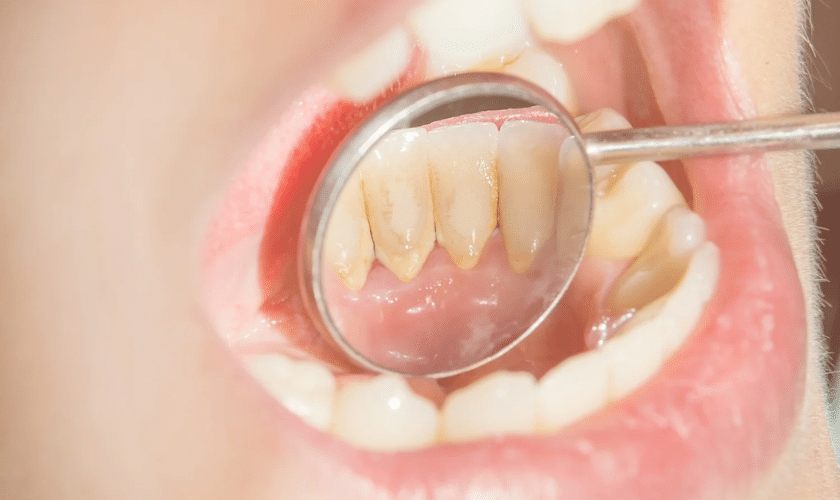
Regular dental check-ups are a crucial aspect of maintaining good oral health. While brushing and flossing at home are important, they can only do so much in removing plaque buildup. Dental check-ups allow for a thorough examination of your teeth and gums by a professional dentist or hygienist.
During these visits, the dentist will not only clean your teeth but also identify any potential issues early on. They will check for signs of gum disease, cavities, and other oral health problems that may not be visible to the naked eye. Early detection is key in preventing more serious complications down the line.
In addition to cleaning and examining your teeth, regular dental check-ups also provide an opportunity to address any concerns or questions you may have about your oral hygiene routine. The dentist can offer personalized advice on proper brushing and flossing techniques tailored to your specific needs.
Furthermore, dental check-ups often include screenings for conditions beyond just oral health. Dentists can spot signs of certain systemic diseases like diabetes or even oral cancer during these examinations.
Scheduling regular dental check-ups should be seen as an investment in your overall well-being rather than just another chore on your to-do list. By staying proactive with preventive care, you can minimize the risk of plaque buildup and maintain optimal oral health for years to come.
Proper Brushing And Flossing Techniques To Prevent Plaque Buildup
Proper brushing and flossing techniques are essential for maintaining a healthy smile and preventing plaque buildup on your teeth. Here are some tips to help you effectively remove plaque:
1. Brush twice a day: It’s crucial to brush your teeth at least twice a day, using a soft-bristled toothbrush and fluoride toothpaste. Be sure to spend at least two minutes brushing, focusing on each tooth’s surface.
2. Use the right technique: Hold your toothbrush at a 45-degree angle towards the gum line and make small circular motions. Pay attention to all areas of your mouth, including the front, back, and chewing surfaces of your teeth.
3. Remember flossing: Flossing is just as important as brushing in preventing plaque buildup between teeth where brushes can’t reach easily. Gently slide the floss between each tooth, curving it against one side while being careful not to snap it into the gums.
4. Rinse thoroughly: After brushing and flossing, rinse your mouth with water or an antimicrobial mouthwash to remove any remaining debris or bacteria.
5. Replace your toothbrush regularly: Over time, bristles become frayed and less effective at removing plaque properly; therefore, replace your toothbrush every three months or when they show signs of wear.
Diet And Lifestyle Changes To Reduce Plaque
Maintaining a healthy diet and making lifestyle changes can significantly reduce plaque buildup on your teeth. Here are some simple yet effective tips to incorporate into your daily routine:
1. Limit sugary and acidic foods: Consuming excessive amounts of sugar or acidic foods can contribute to the formation of plaque. Opt for healthier alternatives such as fruits, vegetables, whole grains, and lean proteins.
2. Drink plenty of water: Water helps flush away food particles and bacteria in your mouth, reducing the risk of plaque buildup. It also helps maintain saliva production, which plays a vital role in fighting against plaque-causing bacteria.
3. Avoid tobacco products: Smoking not only stains your teeth but also increases tartar formation, leading to more severe plaque problems. Quitting smoking will improve not only your oral health but also your overall well-being.
4. Brush after meals: Make it a habit to brush at least twice a day using fluoride toothpaste with an ADA-approved toothbrush. This will help remove any food particles that could potentially lead to plaque buildup.
5. Floss regularly: Flossing is essential for removing plaque from between teeth where brushes cannot reach effectively. Incorporate flossing into your daily routine to ensure thorough cleaning.
Natural Remedies For Removing Plaque
When it comes to maintaining good oral hygiene, natural remedies can be a great addition to your dental care routine. These remedies can help remove plaque buildup and promote healthy teeth and gums.
One of the most common natural remedies is oil pulling. This ancient practice involves swishing a tablespoon of oil (such as coconut or sesame oil) in your mouth for 15-20 minutes. The oil acts as a cleansing agent, pulling out bacteria and toxins from your mouth.
Another effective remedy is baking soda. Mixing some baking soda with water creates a paste that can be used as toothpaste. Baking soda has antimicrobial properties that help reduce plaque formation and freshen your breath.
Apple cider vinegar is also known for its antibacterial properties, making it an excellent natural remedy for fighting plaque. You can dilute apple cider vinegar with water and use it as a mouthwash after brushing.
Incorporating certain herbs into your dental care routine can also aid in removing plaque naturally. Neem, clove, and tea tree oil are well-known for their antiseptic properties, which help combat bacteria responsible for plaque buildup.
Consuming foods like strawberries, oranges, cranberries, and pineapples can assist in breaking down existing plaque due to their high vitamin C content.
While these natural remedies may provide some benefits in reducing plaque buildup on your teeth when used alongside regular brushing and flossing techniques, it’s essential to remember that professional dental cleanings are still necessary to maintain optimal oral health.
Professional Treatments For Severe Plaque Buildup
If you have a severe case of plaque buildup on your teeth, it may be necessary to seek professional treatment. While regular brushing and flossing can help prevent plaque from accumulating, sometimes it’s not enough to remove stubborn deposits.
One option is to visit your dentist for a professional cleaning. During this procedure, known as scaling and root planing or deep cleaning, the dental hygienist will use special tools to remove tartar and plaque from below the gum line. This thorough cleaning can reach areas that are difficult to clean at home.
In some cases, your dentist may also recommend an antimicrobial mouth rinse or antibiotic therapy to help control bacteria in your mouth and reduce inflammation caused by gum disease.
For more advanced cases of plaque buildup, dental procedures such as laser therapy or periodontal surgery may be necessary. These treatments aim to remove deep pockets of infection and restore oral health.
Remember that these professional treatments should be done in conjunction with maintaining good oral hygiene habits at home. Regular dental check-ups and professional cleanings are essential in preventing future plaque buildup and maintaining a healthy smile.
Please consult with your dentist about the best course of action for treating severe plaque buildup on your teeth, as they will be able to provide personalized recommendations based on your specific needs.
Maintaining good oral hygiene to prevent future plaque buildup
- Maintaining good oral hygiene is essential for preventing future plaque buildup and ensuring the overall health of your teeth and gums. Here are some simple yet effective tips to help you keep your mouth clean and free from plaque.
- It’s important to brush your teeth at least twice a day using fluoride toothpaste. Be sure to use gentle circular motions and reach all surfaces of your teeth, including the back molars. Additionally, remember to brush your tongue as well, as bacteria can accumulate there too.
- Flossing is another crucial step in maintaining oral hygiene. It helps remove plaque from between the teeth and along the gumline, where brushing alone may not reach. Make sure to floss gently but thoroughly, using a back-and-forth motion rather than snapping the floss into place.
- In addition to regular brushing and flossing, incorporating an antibacterial mouthwash into your routine can further reduce plaque buildup. Mouthwashes containing ingredients like chlorhexidine or essential oils can help kill bacteria that contribute to plaque formation.
- A balanced diet also plays a role in preventing plaque buildup. Limit sugary snacks and drinks as they provide fuel for harmful bacteria in the mouth. Instead, opt for foods high in fiber, like fruits and vegetables, that stimulate saliva production, which naturally helps wash away plaque-causing bacteria.
- Remember to consider the importance of regular dental check-ups! Your dentist will be able to identify any early signs of dental issues or areas where you might be prone to excess plaque accumulation. They can also give personalized advice on improving your oral hygiene routine.
- By following these tips consistently, you’ll significantly reduce the risk of future plaque buildup on your teeth while promoting optimal oral health overall!
Taking proper care of your oral health is essential to prevent plaque buildup on your teeth. Plaque, a sticky film of bacteria, can lead to serious dental issues if left untreated. By understanding the causes and implementing preventive measures, you can effectively reduce plaque buildup.
Regular dental check-ups are crucial in maintaining good oral hygiene. Dentists can identify early signs of plaque and provide professional cleaning treatments to remove stubborn buildup. Additionally, they can offer guidance on proper brushing and flossing techniques tailored to your specific needs.
Proper brushing and flossing are key components in preventing plaque accumulation. Brush at least twice a day with fluoride toothpaste for two minutes each time. Use gentle circular motions along all surfaces of your teeth, including the gumline. Remember to clean between your teeth using dental floss or interdental brushes.
Making dietary changes can also help reduce plaque formation. Avoid sugary foods and beverages that promote bacterial growth in the mouth. Opt for a balanced diet rich in fruits, vegetables, whole grains, and lean proteins instead.
Incorporating certain natural remedies into your oral hygiene routine may aid in removing plaque as well. These include oil pulling with coconut or sesame oil, rinsing with an antimicrobial mouthwash containing tea tree oil or hydrogen peroxide, or using baking soda as a gentle abrasive when brushing occasionally.
For severe cases of plaque buildup that cannot be resolved through regular methods alone, professional treatments such as scaling and root planing may be necessary. These procedures involve deep cleaning below the gumline to remove hardened tartar deposits.
Looking For Dentist In Long Beach, CA
We’re so glad you’re here, and we’d love to welcome you to Listiyo Family Dental – Dentist Long Beach! Featuring preventive care from our friendly team, this exclusive offer has everything you need to get started with us and maintain lifelong oral health. We can’t wait to meet you and your smile soon!